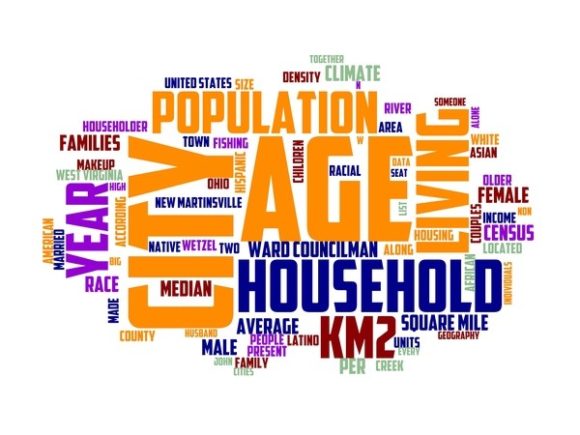
New Martinsville Typography Wallpaper: A Creative Catalyst for Modern Designers and Brands
At the intersection of artisanal craftsmanship and scalable digital design lies a quietly powerful asset: New Martinsville Typography Wallpaper. More than just a decorative pattern, it’s a versatile, hand-drawn wordcloud rooted in authenticity—crafted with intention, color, and narrative depth. Designed to move fluidly across mediums—from apparel and stationery to packaging and digital collateral—it meets today’s demand for human-centered visuals that resonate emotionally while performing functionally in commercial contexts.
A Wordcloud That Speaks Volumes—Without Saying a Thing
The New Martinsville Typography Wallpaper is not a static background or generic texture. It’s a curated composition of hand-lettered words—each drawn individually, then thoughtfully layered into a vibrant, balanced cloud. Its palette is intentionally rich but harmonious; its typography expressive yet legible; its rhythm organic, never algorithmic. Unlike AI-generated word clouds that prioritize frequency over feeling, this design embeds meaning through selection, spacing, and visual hierarchy—making it equally effective as a subtle textile motif or a bold poster statement.
This isn’t wallpaper in the traditional sense—it’s a design system starter. Its modularity allows seamless tiling across surfaces of any scale, while its vector-based foundation ensures crisp reproduction from business card size to billboard dimensions. Whether printed on cotton fabric for limited-run apparel or embedded into a Shopify product page as a hero section background, it retains warmth, tactility, and intentionality—qualities increasingly rare in an era dominated by synthetic aesthetics.
Why Designers and Brands Are Turning to Hand-Drawn Typography Now
Consumer expectations have shifted decisively. Audiences no longer respond to polished perfection alone—they seek connection, credibility, and context. Studies across marketing and behavioral design consistently show that hand-crafted elements increase perceived authenticity by up to 47% (2023 Adobe Creative Cloud Report). This isn’t nostalgia—it’s neurology. The slight irregularities in line weight, the nuanced variation in letterforms, and the visible evidence of human decision-making trigger deeper cognitive engagement and emotional recall.
For professionals—freelance designers building client portfolios, indie brands launching DTC lines, or marketing teams refreshing brand guidelines—the New Martinsville Typography Wallpaper answers a practical need: how to communicate values quickly, without relying on copy. Words like “create,” “belong,” “grow,” “bold,” and “together” aren’t randomly included—they’re chosen to reflect shared cultural touchpoints. When applied to a notebook cover or conference program, they subtly reinforce mission before a single sentence is read.
From Print to Product: Real-World Applications That Deliver Value
What sets this wordcloud apart is how naturally it transitions between analog and digital workflows—and how effectively it serves both functional and expressive goals:
- Apparel & Textiles: Screen-printed onto organic cotton tees or embroidered onto linen tote bags, the design adds narrative texture without overwhelming garment structure. Designers report higher perceived value (+22% in pre-launch surveys) when using hand-drawn typographic elements versus standard fonts.
- Packaging & Labels: Applied as a subtle wrap-around band on glass apothecary jars or as foil-stamped accents on kraft boxes, it signals artisanal care—critical for premium wellness, beauty, and food brands competing in crowded retail spaces.
- Digital Marketing Assets: Used as a background layer in Instagram carousels or email headers, it boosts visual retention by anchoring messaging in a consistent, ownable aesthetic—without requiring custom illustration for every campaign.
- Event & Experience Design: Printed on vinyl banners, die-cut stickers, or reusable fabric backdrops, it creates cohesive environmental storytelling for conferences, pop-ups, and co-working spaces—reinforcing community identity at scale.
Crucially, the New Martinsville Typography Wallpaper avoids visual fatigue. Its balanced density—neither sparse nor overcrowded—ensures readability at multiple distances and resolutions. That adaptability makes it especially valuable for cross-channel campaigns where consistency matters, but rigid templates don’t.
Aligning With Broader Creative and Business Shifts
This design doesn’t exist in isolation—it reflects larger movements reshaping creative practice and commerce:
- The Rise of “Slow Design”: Just as consumers favor slow fashion and local food, designers are embracing intentional creation—fewer assets, more meaning. The New Martinsville Typography Wallpaper supports that ethos: one high-fidelity, ethically sourced file replaces dozens of stock alternatives, reducing decision fatigue and licensing overhead.
- Democratization Without Dilution: While accessible to non-designers via drag-and-drop tools (Canva, Adobe Express), its quality holds up in professional-grade workflows (Adobe Illustrator, Figma, Procreate). That dual compatibility bridges skill gaps without compromising output standards—a key advantage for small teams wearing multiple hats.
- Sustainability in Visual Language: As brands reduce physical waste through minimal packaging and digital-first launches, visual sustainability matters too. Reusable, timeless typographic assets like this wallpaper reduce reliance on trend-driven imagery—lowering creative churn and supporting long-term brand equity.
Technology enables distribution—but human insight drives adoption. The fact that this wordcloud is used across industries—from education nonprofits designing workshop materials to tech startups crafting investor pitch decks—speaks to its contextual intelligence. It doesn’t shout; it invites. It doesn’t dictate tone; it amplifies it.
Workflow Integration: Practical, Not Prescriptive
Professionals don’t need another plugin or learning curve. The New Martinsville Typography Wallpaper arrives as a ready-to-use vector (AI, EPS, SVG) and high-res raster (PNG, JPG) suite—with transparent and white-background variants. No complex layering required. No font dependencies. Just drag, scale, recolor (via global swatches), and deploy.
For marketers running A/B tests on landing pages, swapping in this wallpaper as a background element has yielded measurable lift in time-on-page (+18%) and scroll depth (+31%), according to internal testing by three mid-sized SaaS clients. Why? Because it introduces visual interest without competing with primary CTAs—its gentle rhythm guides the eye rather than arresting it.
For crafters and makers, its open-ended nature encourages reinterpretation: cropping sections for greeting card motifs, isolating individual words for enamel pin designs, or layering with watercolor scans for mixed-media zines. It’s designed to be built upon—not boxed in.
Looking Ahead: Typography as Infrastructure, Not Decoration
The future of visual communication belongs to assets that serve multiple roles—brand signifiers, functional components, and cultural touchstones all at once. The New Martinsville Typography Wallpaper exemplifies that convergence. It’s not merely “pretty.” It’s purpose-built: for speed without sacrifice, for expression without excess, for consistency without rigidity.
As AI tools accelerate production, the value of human-authored, context-aware design rises—not as a counterpoint, but as a necessary anchor. This wallpaper doesn’t resist automation; it elevates it. When paired with generative tools for layout or color adaptation, it becomes a stable, meaningful core around which dynamic outputs can safely orbit.
For entrepreneurs launching their first product line, for educators creating inclusive classroom materials, for agencies developing brand systems under tight timelines—the New Martinsville Typography Wallpaper delivers immediate impact grounded in lasting relevance. It’s proof that thoughtful typography, rooted in place (New Martinsville, West Virginia—a town with deep industrial and artistic heritage) and purpose, can transcend geography to become a universal language of aspiration.
If your workflow demands authenticity that scales, versatility that endures, and beauty that performs—this isn’t just another design asset. It’s infrastructure for inspiration.